Heading to Sagres this summer? Here's what to expect from the waves in July and August — swell patterns, water temperature, crowd tips and where to surf.
July and August are the busiest months in Sagres — and for good reason. Long hot days, warm water, a buzzing beach scene and consistent small-to-medium waves make summer the most accessible time of year for surfing in the Algarve.
But summer surfing is different from the powerful autumn and winter swells that Sagres is famous for. Here's what to expect, where to go and how to make the most of your summer sessions.
What are the waves like in July and August?
Summer waves in Sagres are typically waist- to shoulder-high, with occasional overhead sets when a north-west groundswell arrives. The dominant swell direction is north-west, and the wave period tends to be shorter than in autumn and winter — meaning the waves are smaller but frequent.
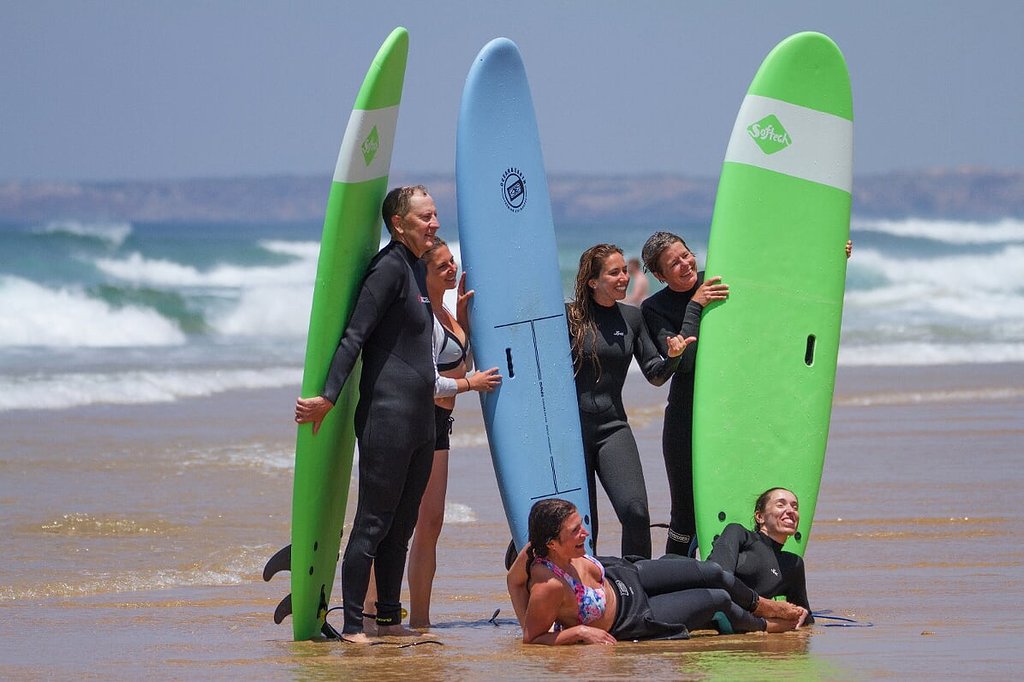
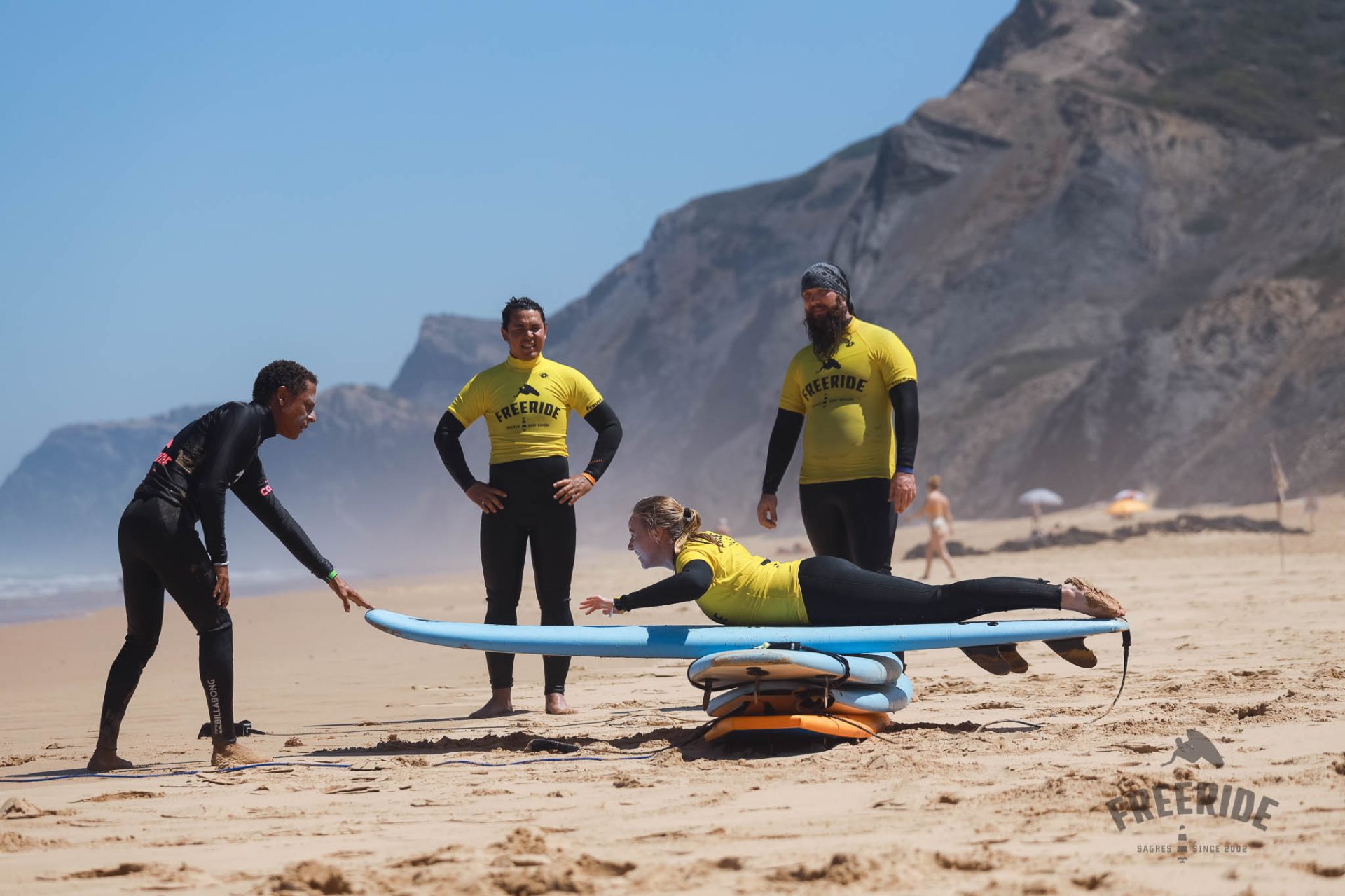
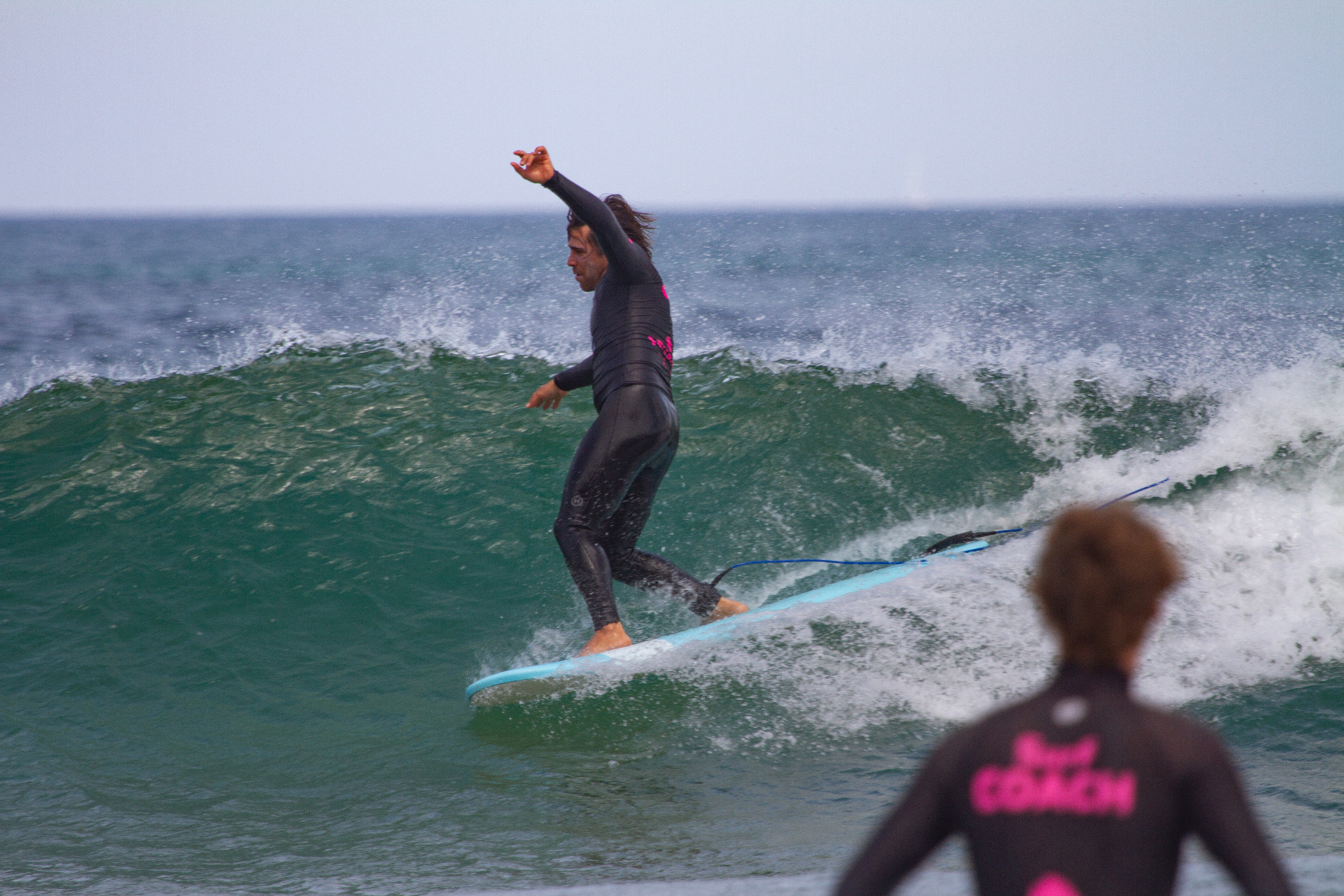
For beginners this is perfect: manageable white-water, forgiving waves and conditions that let you focus on technique without being overpowered. For intermediates, the cleaner days offer fun green waves at Cordoama and Tonel that are excellent for practising turns, bottom turns and cutbacks.
More experienced surfers sometimes find the summer waves too small, but there are still sessions to be had. Early mornings often deliver the cleanest conditions before the afternoon thermal wind kicks in, and surprise swells can bring overhead surf even in mid-July.
Water temperature and wetsuit guide
Water temperatures in Sagres during July and August typically range from 18°C to 21°C. Despite the hot air temperatures (often above 30°C), the Atlantic stays refreshingly cool thanks to upwelling currents along the coast.
Most surfers are comfortable in a 3/2mm full wetsuit in July and August. On the warmest days, some people surf in a shorty or even just boardshorts and a rash vest — but the water can feel cold after 90 minutes without a full suit. Our rental fleet includes summer-weight wetsuits that are perfect for these conditions.
Best beaches for summer surfing
Praia da Cordoama is the summer star. Our Beach Hut is open daily from June through October, with walk-in lessons, board and wetsuit rentals and fresh local advice. The inside white-water is ideal for beginners, and the shifting outside peaks provide fun waves for intermediates.
Praia do Tonel works well on clean north-west swells and is best surfed early in the morning before the crowds arrive. Praia da Mareta on the south coast is our fallback for beginners when the west coast is too windy.
When summer swells pick up, Praia do Beliche below Cape St. Vincent can produce surprisingly powerful waves — a treat for advanced surfers who know where to look.
Dealing with summer crowds
Sagres gets busy in July and August — mainly European holiday-makers from the UK, Germany, France and the Netherlands. The most popular beaches fill up by mid-morning, and the surf line-ups can get crowded, especially at Tonel.
Our tips for beating the crowds: surf early (7–9 AM) when the water is glassy and the car parks are empty. Midday sessions are usually quieter because most people go for lunch. Alternatively, let us take you to less obvious spots on our surf guiding sessions — our instructors know peaks that rarely get crowded even in peak summer.
The summer wind pattern: the nortada
Sagres experiences a reliable thermal wind pattern in summer called the nortada — a north to north-westerly wind that picks up around midday and can blow 15–25 knots through the afternoon. It is generated by the hot interior of the Alentejo pulling cooler Atlantic air onshore.
This wind is offshore at Tonel (which faces west-southwest) and cross-shore at Cordoama. The best strategy is to surf in the morning before the nortada arrives, or wait for it to die down in the late afternoon for a glassy evening session.
Our instructors plan every day around the wind. We check the forecast at 7 AM and choose the beach and the time slot that will give each group the best conditions.
Summer surf tips from the team
Drink plenty of water. The combination of sun, salt water and physical effort dehydrates you faster than you think. Bring a large refillable bottle to the beach.
Apply reef-safe sunscreen generously — especially ears, neck, feet and the backs of your knees. Reapply after every session. Zinc for your face is worth the raccoon look.
If you are booking surf lessons, morning sessions are the best: calmer conditions, cooler temperatures and more energy. Afternoon sessions work too, but be prepared for the wind.
Bring a warm layer for after sunset — the nortada can make evenings surprisingly chilly, especially if your hair is still wet from your last session.
Frequently Asked Questions
Is summer a good time to learn to surf in Sagres?
Summer is the best time for beginners. The waves are smaller and more forgiving, the weather is warm and sunny, and our full Beach Hut operation at Cordoama means lessons, rentals and advice are available daily.
Are the waves too small in summer for experienced surfers?
Summer waves are generally smaller (waist to shoulder-high), but surprise swells can bring overhead surf. Early mornings and late afternoons offer the cleanest conditions. Our surf guiding service takes experienced surfers to less crowded spots with the best waves for the day.
What wetsuit do I need for summer surfing in Sagres?
A 3/2mm full wetsuit is ideal for July and August, when water temperatures range from 18–21°C. On the warmest days, a shorty or rash vest and boardshorts will work for shorter sessions. We rent summer-weight wetsuits at our surf centre and Beach Hut.